
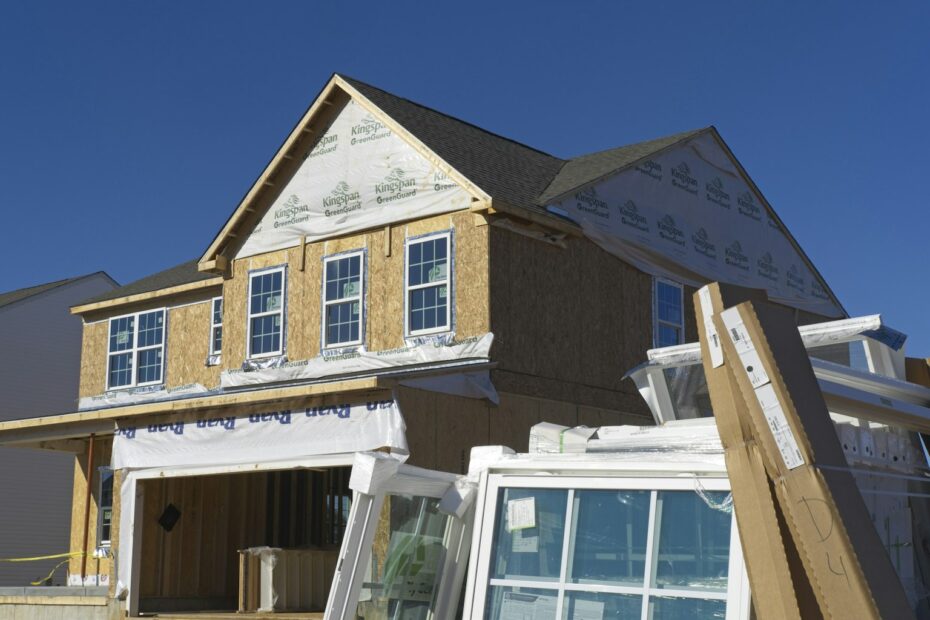
Georgia has been one of the most active markets in the country for new residential construction. Metro Atlanta’s suburbs keep pushing outward, smaller cities like Savannah, Augusta and Macon draw steady demand, and the mountains and lakes of North Georgia attract both full-time residents and second-home buyers.
For builders and investors, that creates opportunities for spec homes, build-to-rent houses and small infill projects. This guide covers how ground-up construction financing works in Georgia and what local details to plan for before you break ground.
How Construction Financing Is Structured
A ground-up construction loan is short-term, business-purpose financing for building a new investment property. Instead of handing over the full loan at closing, the lender funds the land (if it is being purchased) and then releases construction money in stages as work is completed.
On qualified projects, the program Borrowers Capital offers access to can finance:
- Up to 100% of the land purchase
- Up to 100% of the approved construction budget
- Up to 75% of the home’s as-completed value, which acts as the overall cap
The baseline starting point is a 600 credit score and one completed project. First-time builders may still qualify for up to around 90% of total project cost, reviewed case by case. For a full walkthrough with numbers, read Ground-Up Construction Loans: How 100% Land and Build Financing Works.
A Georgia Example
| Item | Amount |
|---|---|
| Lot purchase | $75,000 |
| Construction budget | $285,000 |
| Total project cost | $360,000 |
| Appraised completed value | $500,000 |
| 75% of completed value | $375,000 |
Because the total project cost sits under the 75% value cap, the land and build can potentially be fully financed, with a little room left for an interest reserve. If the appraisal came in at $460,000 instead, the cap would drop to $345,000 and the builder would need to cover a $15,000 gap.
In fast-growing suburban areas, the spread between lot cost and finished value is often what makes or breaks this math. Buying the lot well matters more than almost anything else.
Georgia-Specific Details to Plan For
Contractor licensing
Georgia requires a license from the State Licensing Board for Residential and General Contractors for residential contracting work over $2,500. Local building departments generally will not issue permits above that amount to an unlicensed contractor. The homeowner exemption applies only to a person building their own owner-occupied home, not to investors building for sale or rent.
Lenders will ask for your builder’s license and insurance, so have those ready.
Permits and local review
Georgia adopts statewide construction codes, but permits and inspections are handled by the county or city where the property sits. Requirements, fees and review times can vary quite a bit between jurisdictions, especially between metro Atlanta counties and rural North Georgia counties.
Before buying a lot, confirm:
- Zoning allows the home you plan to build
- Water and sewer availability, or whether a septic permit and well are needed
- Driveway, stormwater and erosion-control requirements
- Any HOA or subdivision architectural rules
- Typical permit turnaround in that jurisdiction
Mountain and lake lots
North Georgia lots can carry extra costs that do not show up on flat suburban parcels: steep driveways, retaining walls, rock removal, longer utility runs and septic designs suited to slopes. Price these into your budget and contingency up front. Lenders will look closely at site-work line items on these projects.
Closing costs and taxes
Georgia charges an intangible recording tax on notes secured by Georgia real estate, generally $1.50 per $500 of the loan amount, subject to a cap. There is also a real estate transfer tax on the deed. Your closing attorney can tell you exactly what applies to your transaction. Real estate closings in Georgia are typically handled by an attorney.
What Lenders Want to See
A strong Georgia construction submission usually includes:
- Lot contract or proof of ownership, plus a survey
- Plans, specs and permit status
- A line-item hard- and soft-cost budget with contingency
- Builder license, insurance and track record
- Comparable new-construction sales near the lot
- A clear exit: sell, rent, or refinance into a long-term DSCR loan
The Investment Property Loan Document Checklist covers the full list.
Price Your Georgia Build
Run your lot cost, budget and expected value through the 100% Financing Calculator to see your estimated loan and cash requirement, or learn more about our ground-up construction program. When you’re ready, submit your project for a preliminary review.
Building to flip an existing house instead? See Fix-and-Flip Loans in Georgia.
Sources: Georgia State Licensing Board for Residential and General Contractors, Georgia Department of Revenue: Intangible Recording Tax.
Disclosure
Borrowers Capital LLC provides access to business-purpose real estate financing through correspondent and private lending channels. Program availability, leverage, pricing, fees, loan amounts and approval requirements vary by transaction and are subject to applicable lender guidelines, borrower and property eligibility, valuation, due diligence, underwriting and final approval. References to 100% financing describe the potential financing of eligible project costs and do not guarantee a zero-cash transaction or loan approval. Borrowers Capital LLC may receive compensation in connection with arranging a transaction. This article is general information and does not constitute a commitment to lend, an offer of credit, or financial, legal or tax advice.