
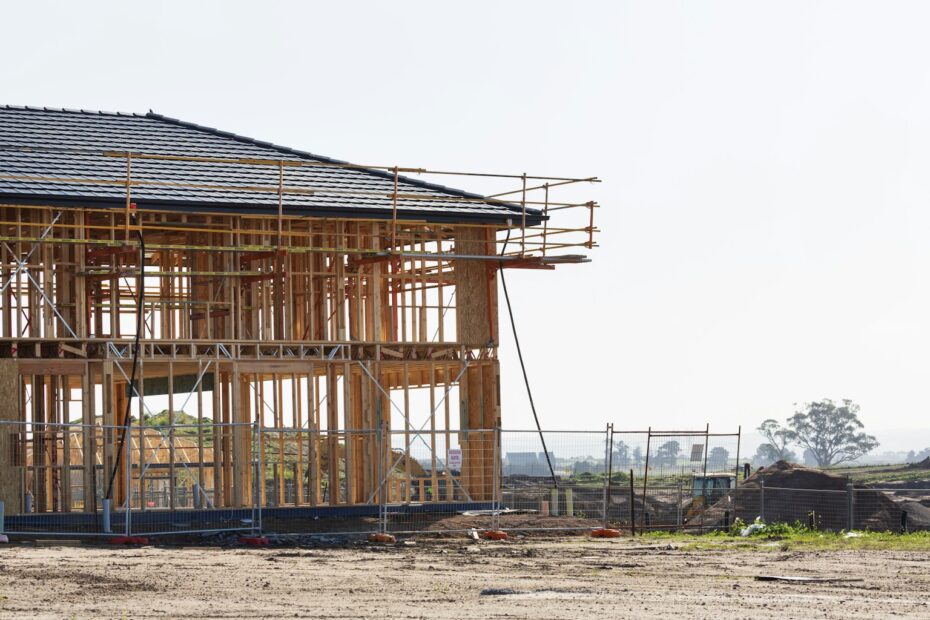
The Charlotte region has been one of the Southeast’s steadiest growth markets, and new residential construction has followed. Infill lots inside the city, new subdivisions in surrounding towns and build-to-rent communities all give builders and investors ways to put capital to work.
This guide explains how ground-up construction financing works for Charlotte-area projects and what local licensing, permitting and closing details to plan for.
How the Financing Works
A ground-up construction loan is short-term, business-purpose financing for building a new investment property. The lender funds the lot purchase (when applicable) and then releases construction money in draws as each phase of work is completed and inspected.
On qualified projects, the program Borrowers Capital offers access to can finance:
- Up to 100% of the land purchase
- Up to 100% of the approved construction budget
- Up to 75% of as-completed value, the overall cap
Qualification starts at a 600 credit score and one completed project. First-time builders may qualify for up to around 90% of project cost, reviewed case by case. For the full breakdown, see Ground-Up Construction Loans: How 100% Land and Build Financing Works.
A Charlotte-Area Example
| Item | Amount |
|---|---|
| Infill lot | $120,000 |
| Construction budget | $360,000 |
| Total project cost | $480,000 |
| Appraised completed value | $680,000 |
| 75% of completed value | $510,000 |
Here the land and build fit under the value cap, with about $30,000 of room that could support an interest reserve. Infill lots inside the city often cost more, so the completed value needs to justify the land price. Outer-county lots may be cheaper but come with their own site and utility costs.
Local Rules to Plan For
North Carolina contractor licensing
North Carolina requires a general contractor license from the NC Licensing Board for General Contractors for projects valued at $40,000 or more, counting labor and materials. Licenses carry limits on the size of a single project:
- Limited: up to $750,000
- Intermediate: up to $1.5 million
- Unlimited: no cap
Make sure your builder’s license tier covers your project value. Lenders will ask for it.
Mecklenburg County permitting
In Mecklenburg County, residential building, electrical, plumbing and mechanical permits are issued by Mecklenburg County Code Enforcement. New homes generally go through plan review, and each trade needs its own permit. Zoning approval comes from the City of Charlotte or the town where the lot sits, such as Huntersville, Matthews or Cornelius.
Projects in neighboring counties, including Union, Cabarrus, Gaston and York County, South Carolina, follow their own permitting processes. Check timelines before you commit to a schedule.
Before buying a lot, confirm:
- Zoning and minimum lot requirements for the home you plan to build
- Water and sewer availability and tap fees
- Tree ordinance and stormwater requirements
- Any HOA design guidelines
Closing costs
North Carolina charges an excise tax on deeds of $1 per $500 of the property’s value. The seller (grantor) pays it, so on a lot purchase it typically falls to the land seller. When you sell the finished home, it will be your cost. Closings in North Carolina are generally handled by an attorney.
What a Strong Submission Includes
- Lot contract or deed, plus a survey
- Plans, specifications and permit status
- A line-item hard- and soft-cost budget with contingency
- Builder license (with tier), insurance and project history
- Comparable new-construction sales nearby
- A clear exit: sale, rental, or refinance into a long-term DSCR loan
See the Investment Property Loan Document Checklist for everything lenders typically request.
Price Your Charlotte Build
Enter your lot cost, budget and expected value in the 100% Financing Calculator for an instant estimate, or read more about our ground-up construction program. Ready to go? Submit your project for a preliminary review.
Sources: Mecklenburg County Code Enforcement: Permitting, NC General Statutes, Article 8E (Excise Tax on Conveyances).
Disclosure
Borrowers Capital LLC provides access to business-purpose real estate financing through correspondent and private lending channels. Program availability, leverage, pricing, fees, loan amounts and approval requirements vary by transaction and are subject to applicable lender guidelines, borrower and property eligibility, valuation, due diligence, underwriting and final approval. References to 100% financing describe the potential financing of eligible project costs and do not guarantee a zero-cash transaction or loan approval. Borrowers Capital LLC may receive compensation in connection with arranging a transaction. This article is general information and does not constitute a commitment to lend, an offer of credit, or financial, legal or tax advice.