
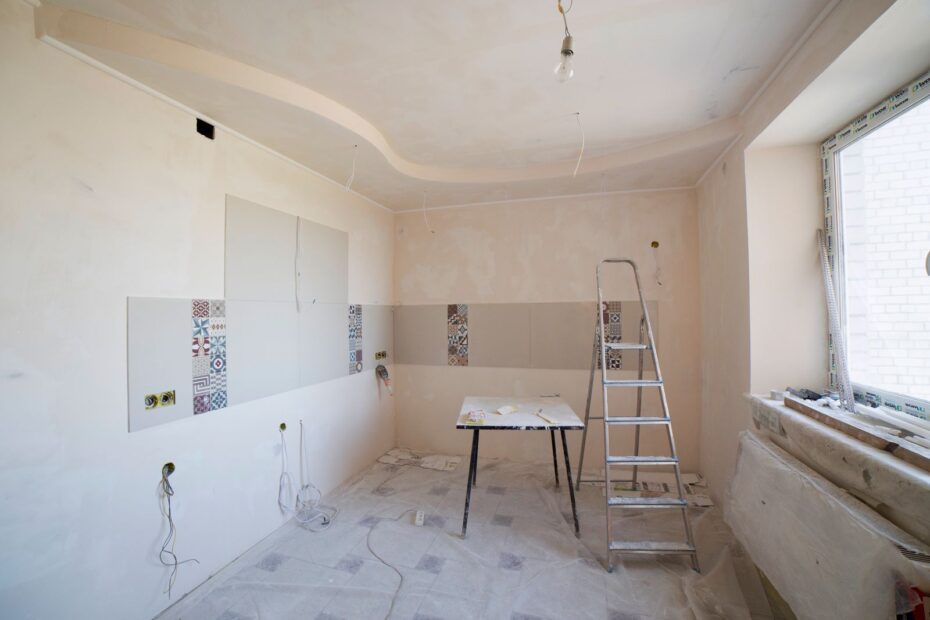
Raleigh and the wider Triangle, including Durham, Cary and the surrounding towns, have grown steadily on the strength of research, tech and university jobs. Older homes inside the Beltline and in established suburbs give flippers a steady supply of properties to update.
This guide covers how 100% fix-and-flip financing works, what a Raleigh deal can look like and the North Carolina rules to know.
How 100% Fix-and-Flip Financing Works
A fix-and-flip loan is short-term, business-purpose financing to buy a property, renovate it and sell or refinance it. The purchase is funded at closing, and the rehab budget is held back and released in draws as work is completed and inspected.
On qualified deals, the program Borrowers Capital offers access to can finance:
- Up to 100% of the purchase price
- Up to 100% of the rehab budget
- Up to 75% of after-repair value (ARV), the overall cap
Qualification starts at a 600 credit score and one completed flip. You’ll also need cash for closing costs and fees, plus reserves you show in your accounts but don’t spend. The calculator shows your exact number. Newer investors may still qualify at lower leverage, reviewed case by case.
A Raleigh Example
| Item | Amount |
|---|---|
| Purchase price | $300,000 |
| Rehab budget | $80,000 |
| Total project cost | $380,000 |
| After-repair value (ARV) | $520,000 |
| 75% of ARV | $390,000 |
The project fits under the value cap with about $10,000 of room. Values change quickly between neighborhoods and school assignments. Use renovated comps close to your property and read our guide on how to estimate ARV.
North Carolina-Specific Details
Contractor licensing
North Carolina requires a general contractor license for projects of $40,000 or more, counting labor and materials, so many full rehabs need a licensed GC. Electrical, plumbing and HVAC work need separately licensed trades.
Permits
Inside city limits, the City of Raleigh issues permits. Unincorporated areas fall under Wake County, and towns like Cary, Apex and Wake Forest run their own departments. Historic districts may need design approval before exterior changes.
Closing costs
North Carolina charges an excise tax on deeds of $1 per $500 of value, paid by the seller. On a flip, that is your cost when you sell. On a $520,000 sale, it comes to about $1,040.
Tips for Flipping in the Triangle
- Mind older-home issues. Pre-1978 homes may have lead paint, and contractors must follow EPA lead-safe rules.
- Watch the school assignment. Buyers pay close attention to it.
- Have a rental backup. A refinance into a DSCR rental loan can be a solid fallback.
Price Your Raleigh Flip
Run your purchase price, rehab budget and ARV through the 100% Financing Calculator, read how 100% fix-and-flip financing works, or submit your deal for a preliminary review.
Sources: City of Raleigh: Permits, N.C. General Statutes, Chapter 105, Article 8E: Excise Tax on Conveyances, EPA: Lead Renovation, Repair and Painting Program.
Disclosure
Borrowers Capital LLC provides access to business-purpose real estate financing through correspondent and private lending channels. Program availability, leverage, pricing, fees, loan amounts and approval requirements vary by transaction and are subject to applicable lender guidelines, borrower and property eligibility, valuation, due diligence, underwriting and final approval. References to 100% financing describe the potential financing of eligible project costs and do not guarantee a zero-cash transaction or loan approval. Borrowers Capital LLC may receive compensation in connection with arranging a transaction. This article is general information and does not constitute a commitment to lend, an offer of credit, or financial, legal or tax advice.