
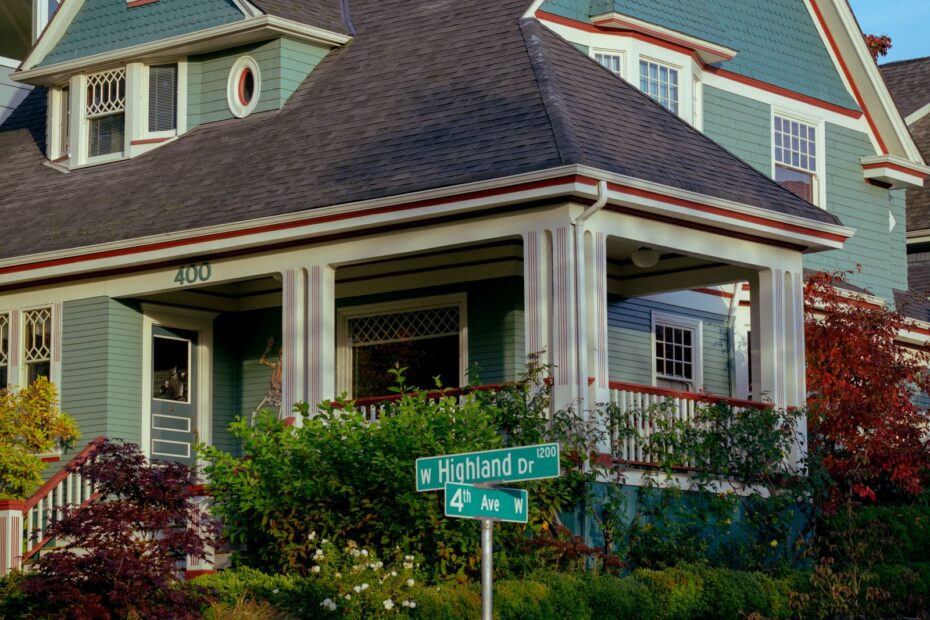
Chattanooga has become a popular place to move, thanks to its riverfront downtown, outdoor recreation and lower costs than Nashville or Atlanta. Neighborhoods across Hamilton County, along with North Georgia communities just across the state line, offer a mix of older homes ready for renovation.
This guide covers how 100% fix-and-flip financing works, what a Chattanooga deal can look like and the Tennessee rules that affect your rehab.
How 100% Fix-and-Flip Financing Works
A fix-and-flip loan is short-term, business-purpose financing to buy a property, renovate it and sell or refinance it. The purchase is funded at closing, and the rehab budget is held back and released in draws as work is completed and inspected.
On qualified deals, the program Borrowers Capital offers access to can finance:
- Up to 100% of the purchase price
- Up to 100% of the rehab budget
- Up to 75% of after-repair value (ARV), the overall cap
Qualification starts at a 600 credit score and one completed flip. You’ll also need cash for closing costs and fees, plus reserves you show in your accounts but don’t spend. The calculator shows your exact number. Newer investors may still qualify at lower leverage, reviewed case by case.
A Chattanooga Example
| Item | Amount |
|---|---|
| Purchase price | $210,000 |
| Rehab budget | $60,000 |
| Total project cost | $270,000 |
| After-repair value (ARV) | $370,000 |
| 75% of ARV | $277,500 |
The project fits under the value cap with about $7,500 of room. Values can vary a lot from one neighborhood to the next. Use renovated comps close to your property, and read our guide on how to estimate ARV.
Tennessee-Specific Details
Contractor licensing
Tennessee requires a contractor license from the Board for Licensing Contractors for projects of $25,000 or more. Hamilton County is also one of the Tennessee counties that requires a home improvement license for residential remodeling jobs between $3,000 and $25,000. Between the two rules, almost any meaningful rehab in Hamilton County calls for a licensed contractor.
Recording taxes
Tennessee charges a realty transfer tax of $0.37 per $100 of the purchase price and a mortgage tax of $0.115 per $100 of the loan amount, with the first $2,000 exempt. On a $270,000 loan, the mortgage tax comes to about $308.
Permits and terrain
The City of Chattanooga issues permits inside city limits, and Hamilton County and surrounding towns handle their own areas. Properties on Missionary Ridge, Signal Mountain or Lookout Mountain can bring steep driveways, drainage and foundation issues. Price those in before you buy.
Tips for Flipping in Chattanooga
- Mind the state line. Properties in North Georgia follow Georgia rules and permitting, not Tennessee’s.
- Check for historic districts. Some older neighborhoods have design review for exterior changes.
- Have a rental backup. A refinance into a DSCR rental loan can let you hold the property if the sale takes longer.
Price Your Chattanooga Flip
Run your purchase price, rehab budget and ARV through the 100% Financing Calculator, read how 100% fix-and-flip financing works, or submit your deal for a preliminary review.
Sources: Tennessee Board for Licensing Contractors, Tennessee Home Improvement License: Participating Counties, Tennessee Department of Revenue: Recordation Tax Rates.
Disclosure
Borrowers Capital LLC provides access to business-purpose real estate financing through correspondent and private lending channels. Program availability, leverage, pricing, fees, loan amounts and approval requirements vary by transaction and are subject to applicable lender guidelines, borrower and property eligibility, valuation, due diligence, underwriting and final approval. References to 100% financing describe the potential financing of eligible project costs and do not guarantee a zero-cash transaction or loan approval. Borrowers Capital LLC may receive compensation in connection with arranging a transaction. This article is general information and does not constitute a commitment to lend, an offer of credit, or financial, legal or tax advice.