
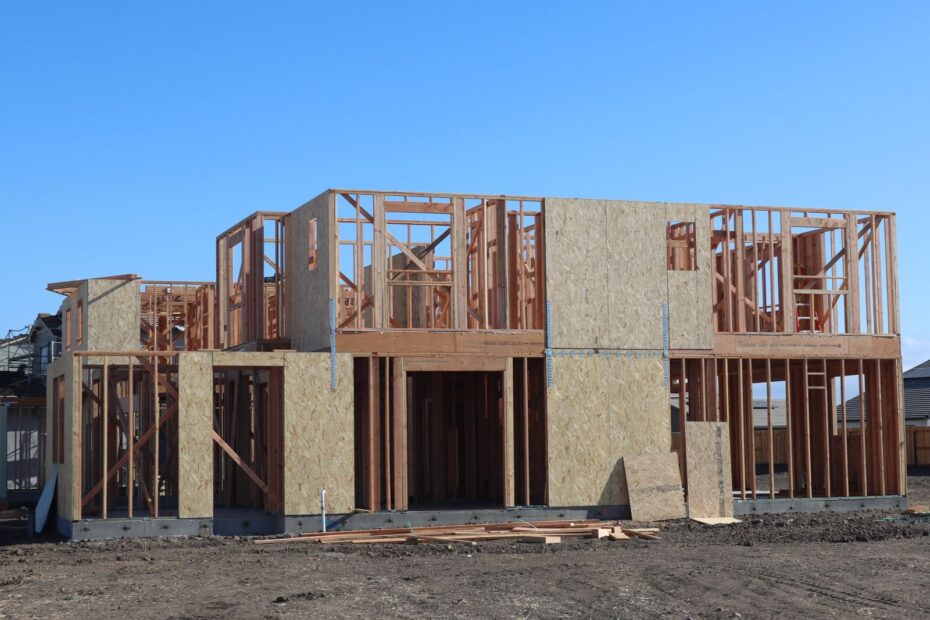
Atlanta’s suburbs are where much of the metro’s new-home demand lands. Families and relocating workers look for newer homes and good schools in counties like Gwinnett, Cobb, Forsyth and Cherokee, and infill and small-subdivision lots there can work well for spec builders.
This guide covers how ground-up construction financing works, what a suburban Atlanta build can look like and the Georgia rules to plan for.
How Ground-Up Construction Financing Works
A ground-up construction loan is short-term, business-purpose financing for building a new investment property. The lender funds the lot purchase, if any, then releases construction money in draws as each stage of work is completed and inspected.
On qualified projects, the program Borrowers Capital offers access to can finance:
- Up to 100% of the land purchase
- Up to 100% of the approved construction budget
- Up to 75% of as-completed value, the overall cap
Qualification starts at a 600 credit score and one completed project of the same type. You’ll also need cash for closing costs and fees, plus reserves you show in your accounts but don’t spend. The calculator shows your exact number. First-time builders may still qualify at up to 90% of project cost, reviewed case by case.
A Suburban Atlanta Example
| Item | Amount |
|---|---|
| Lot purchase | $110,000 |
| Construction budget | $360,000 |
| Total project cost | $470,000 |
| Appraised completed value | $640,000 |
| 75% of completed value | $480,000 |
The project fits under the value cap with about $10,000 of room. Values change a lot by county, school cluster and subdivision. Price your home against recent new-construction sales in the same school zone, not county averages.
Georgia-Specific Details
Contractor licensing
Georgia requires a license from the State Licensing Board for Residential and General Contractors for residential contracting work over $2,500. The homeowner exemption covers only someone building their own owner-occupied home, not investors building for sale or rent. Lenders will ask for your builder’s license and insurance.
County-by-county permitting
Each county, and many cities inside them, runs its own permitting, plan review and inspections. Gwinnett, Cobb, Forsyth and Cherokee counties differ in fees, impact fees, stormwater rules and review times, and cities such as Marietta, Alpharetta, Cumming and Canton have their own departments. Confirm the jurisdiction before you buy, and ask about current permit turnaround.
Closing taxes
Georgia’s intangible recording tax ($1.50 per $500 of the loan amount, capped at $25,000) applies only to long-term notes. Since July 1, 2025, a note has to run longer than 62 months to be taxed, so a typical short-term construction loan like the $470,000 example above should not owe it. Your closing attorney can confirm what applies. Georgia also charges a transfer tax of $1 per $1,000 of value on deeds, usually paid by the seller.
Tips for Building in the Atlanta Suburbs
- Check sewer versus septic. Many lots in Forsyth and Cherokee are on septic, which changes site cost and timing.
- Budget for clay and slope. Red clay and rolling lots can add grading, erosion control and retaining walls.
- Plan a rental backup. A refinance into a DSCR rental loan can be a fallback if a sale takes longer.
Price Your Atlanta-Area Build
Run your lot cost, budget and expected value through the 100% Financing Calculator, read how 100% land and build financing works, or submit your project for a preliminary review.
Sources: Georgia State Licensing Board for Residential and General Contractors, Georgia Department of Revenue: Intangible Recording Tax, Thompson Hine: 2025 Georgia intangible recording tax changes.
Disclosure
Borrowers Capital LLC provides access to business-purpose real estate financing through correspondent and private lending channels. Program availability, leverage, pricing, fees, loan amounts and approval requirements vary by transaction and are subject to applicable lender guidelines, borrower and property eligibility, valuation, due diligence, underwriting and final approval. References to 100% financing describe the potential financing of eligible project costs and do not guarantee a zero-cash transaction or loan approval. Borrowers Capital LLC may receive compensation in connection with arranging a transaction. This article is general information and does not constitute a commitment to lend, an offer of credit, or financial, legal or tax advice.